


PCB Basics for Electronic Product Development
 11 Feb 2026 17:22:46 GMT
Allwin PCBA
11 Feb 2026 17:22:46 GMT
Allwin PCBA
Introduction to PCB Basics
Printed Circuit Boards (PCBs) are the foundation of modern electronics, offering mechanical support and electrical connectivity for components. Constructed from non-conductive materials like fiberglass or epoxy, PCBs use thin copper traces to replace traditional wires for component connections. Before PCBs, point-to-point wiring was labor-intensive and prone to failures as wires aged, leading to short circuits and unreliable performance. The advent of PCBs in the mid-20th century revolutionized electronics by enabling compact, reliable, and mass-producible circuit assemblies, laying the groundwork for the digital age.
Core PCB basics include board materials, copper traces, component pads, and solder connections. Components like resistors, capacitors, and integrated circuits are soldered to copper pads, with traces carrying signals and power between them. Modern PCBs are available in double-sided or multi-layer designs, enabling complex circuits in smaller form factors, which is essential for today's portable devices like smartphones and wearables.
PCB Materials and Structure
Most PCBs use FR-4 fiberglass substrate for rigidity. Thin copper foil is laminated on the substrate and etched to create circuit traces. Standard PCBs have a layered structure, with copper signal/power layers separated by insulating materials.
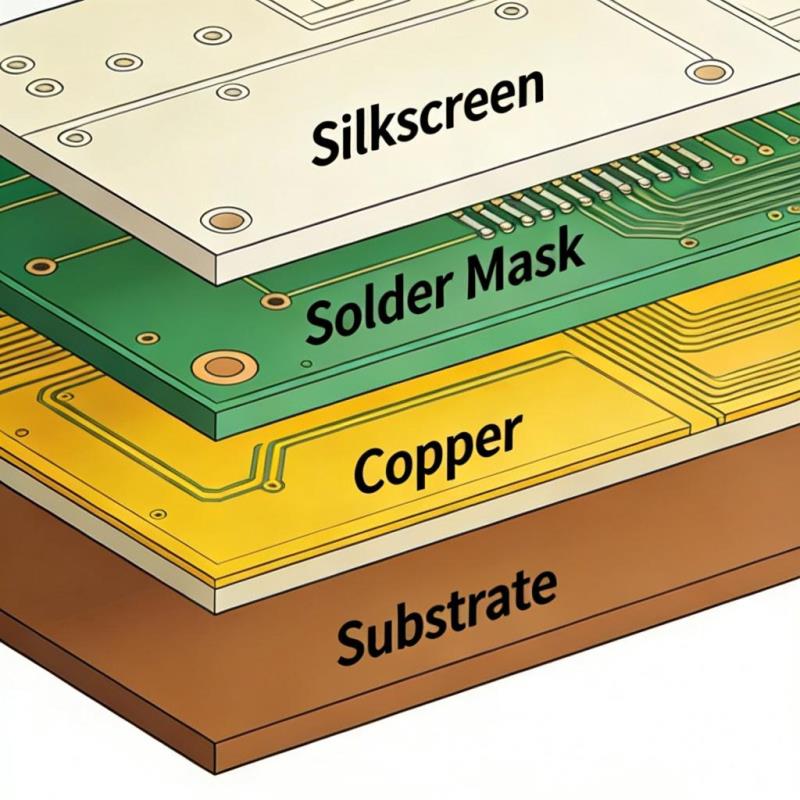
A green solder mask protects copper traces from accidental bridging, while white silkscreen labels component placements. Plated through-holes (vias) connect copper layers through the board’s thickness.
Component Mounting
Components are mounted on PCBs via two methods: through-hole mounting (inserting leads through board holes) and surface-mount technology (soldering components directly to board pads). Solder, a metal alloy, creates permanent electrical and mechanical bonds. Automated processes like reflow ovens and wave soldering are used for mass production, while hand soldering is common for prototyping and repair.
________________________________________
Why PCBs Are Essential in Product Development
PCBs transformed electronic manufacturing by improving assembly efficiency and reliability. Designed using CAD software, PCBs enable mass production with identical boards, reducing upfront design effort through automated, scalable production. This consistency ensures that every device performs the same, which is critical for consumer electronics and industrial applications alike. They also drastically reduce device size compared to traditional wired circuits, making it possible to create portable devices like smartphones, laptops, and wearables that we use daily.
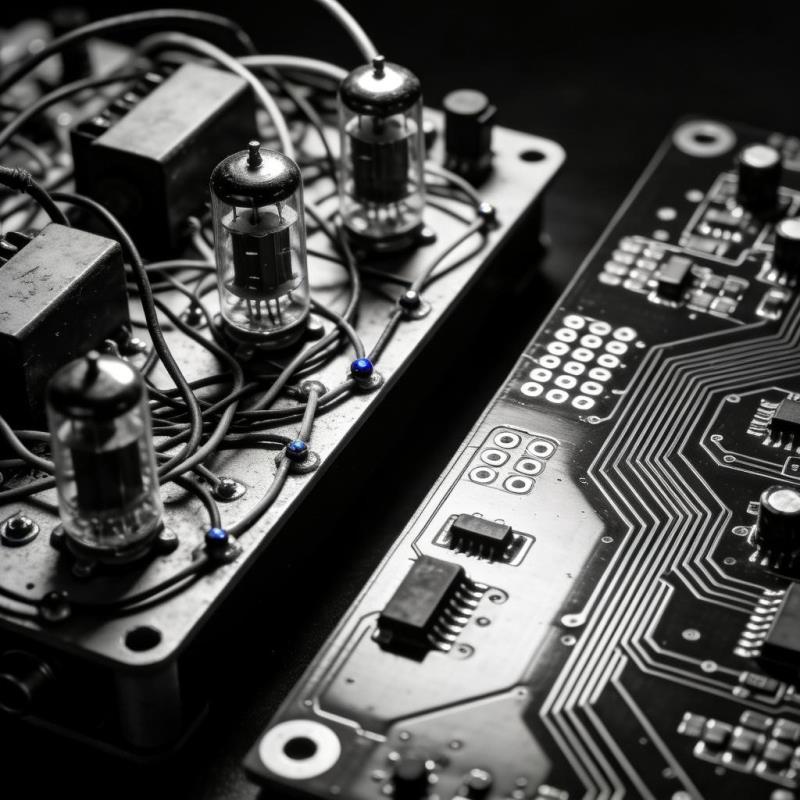
Key advantages of PCBs:
• Compact Integration: Dense component packing reduces product size and organizes complex circuits efficiently. For example, a smartphone's PCB fits hundreds of components into a space smaller than a hand, something that would be impossible with traditional wired circuits.
• Reliable Connections: Securely bonded traces minimize wiring errors and short circuits. Unlike hand-wired circuits, PCB traces are etched precisely, eliminating the risk of loose connections that can cause device failure.
• Ease of Assembly: Automated soldering processes speed up production and reduce human error. Modern assembly lines can place and solder thousands of components per hour, making high-volume production feasible.
• Multi-Layer Routing: Multiple copper layers enable complex routing and better signal integrity. Multi-layer PCBs can separate power and signal layers, reducing interference and improving device performance.
• Cost-Effective Mass Production: High-volume fabrication lowers unit costs for electronic products. Once the initial design is complete, producing additional PCBs is relatively inexpensive, which drives down the cost of consumer electronics.
PCBs are ubiquitous in modern electronics, from simple toys to industrial machinery, providing a reliable platform for circuit implementation. They have become an essential part of electronic product development, enabling the creation of the complex, compact devices that define our digital world.
________________________________________
PCB Components and Anatomy
Understanding PCB anatomy aids design and debugging, as each component plays a critical role in the board's functionality. Key PCB components include:
• Substrate: Base material; FR-4 fiberglass for rigid PCBs, which provides excellent mechanical strength and heat resistance, and Kapton for flexible PCBs, which can withstand repeated bending without damage.
• Copper Layers: Thin copper sheets forming circuitry, available in single-sided, double-sided, or multi-layer designs, connected by vias. The thickness of the copper layer determines the current-carrying capacity of the traces.
• Traces: Copper pathways carrying signals/power, with varying widths for current handling – wider traces are used for high-power circuits to prevent overheating. Trace routing is carefully planned to minimize electromagnetic interference between signals.
• Pads and Holes: Exposed copper areas for soldering components; plated through-holes connect layers and support through-hole components, while surface-mount pads are flat lands for surface-mount components.
• Solder Mask: Protective coating (typically green) insulating traces and preventing solder bridging, which can cause short circuits. The solder mask also protects the copper from corrosion.
• Silkscreen: Printed labels for component identification and orientation, including reference designators, pin markers, and logos, which help technicians assemble and repair the board.
• Vias: Copper-plated holes connecting layers, including blind vias (connecting outer and inner layers) and buried vias (connecting only inner layers), which enable high-density designs in compact spaces.
• Mounting Holes: Unplated holes for mechanical mounting, with clearance areas to avoid short circuits, which secure the PCB in enclosures or chassis.
________________________________________
PCB Types and Variations
PCBs are available in various types for different applications:
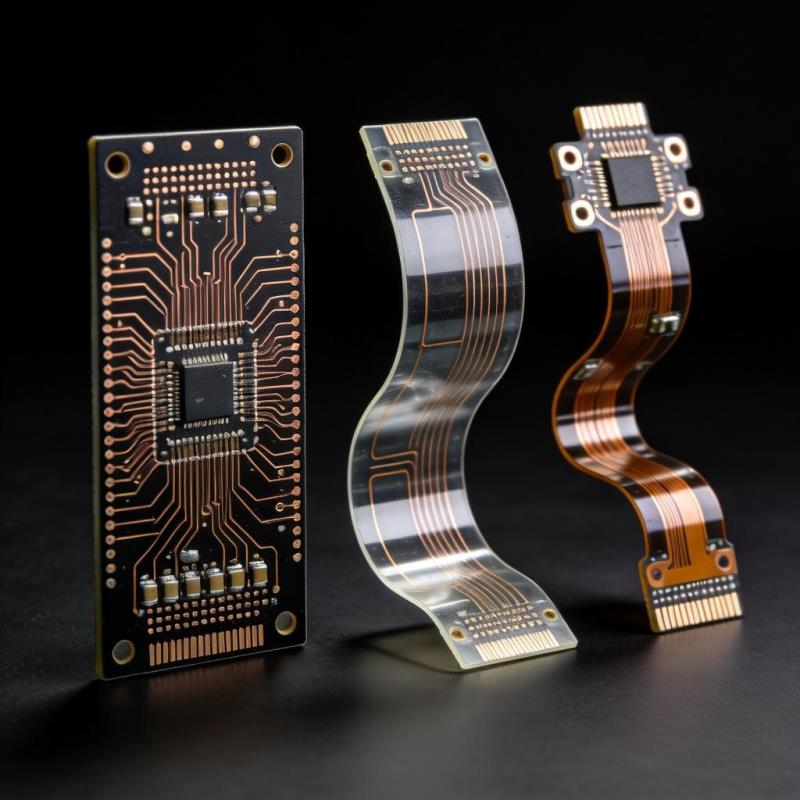
• Rigid PCBs: The most common type, using FR-4 fiberglass for stability. Available in single-sided, double-sided, or multi-layer designs, they are widely used in consumer electronics and computers due to their cost-effectiveness and durability.
• Flexible PCBs: Made with bendable substrates like Kapton, these boards are ideal for tight spaces or moving parts in cameras, wearables, and medical devices. They save weight and space but require careful design for bend durability.
• Rigid-Flex PCBs: Hybrid boards combining rigid and flexible sections, used in foldable electronics and aerospace. They eliminate connectors by integrating flexible routing between rigid component-mounting areas, improving reliability.
Other variations include HDI PCBs for compact complex circuits, metal-core PCBs for high-power LED heat dissipation, and high-frequency PCBs for RF applications.
________________________________________
Conclusion
Printed Circuit Boards are fundamental to electronic product development. They turn circuit schematics into physical form, providing a reliable, mass-producible platform that meets both electrical and mechanical needs. By understanding PCB basics – from materials and layers to component mounting and board types – product developers can make informed decisions in their designs. Whether it’s a simple one-layer board for a gadget or a complex multi-layer flex-rigid assembly for an advanced device, the PCB is the critical fabric that ties all electronic components together. Mastering PCB fundamentals ensures a strong foundation as you embark on designing and building any electronic product.
-
02 Mar 2026 17:51:40 GMT
PCBA Functional Testing: Methods and Industry Standards
-
27 Feb 2026 12:48:42 GMT
The Complete PCBA Quality Control Checklist for Exporters