


Rigid vs Flex vs Rigid-Flex PCBs: Key Differences
 23 Feb 2026 16:59:46 GMT
By admin
23 Feb 2026 16:59:46 GMT
By admin
Introduction
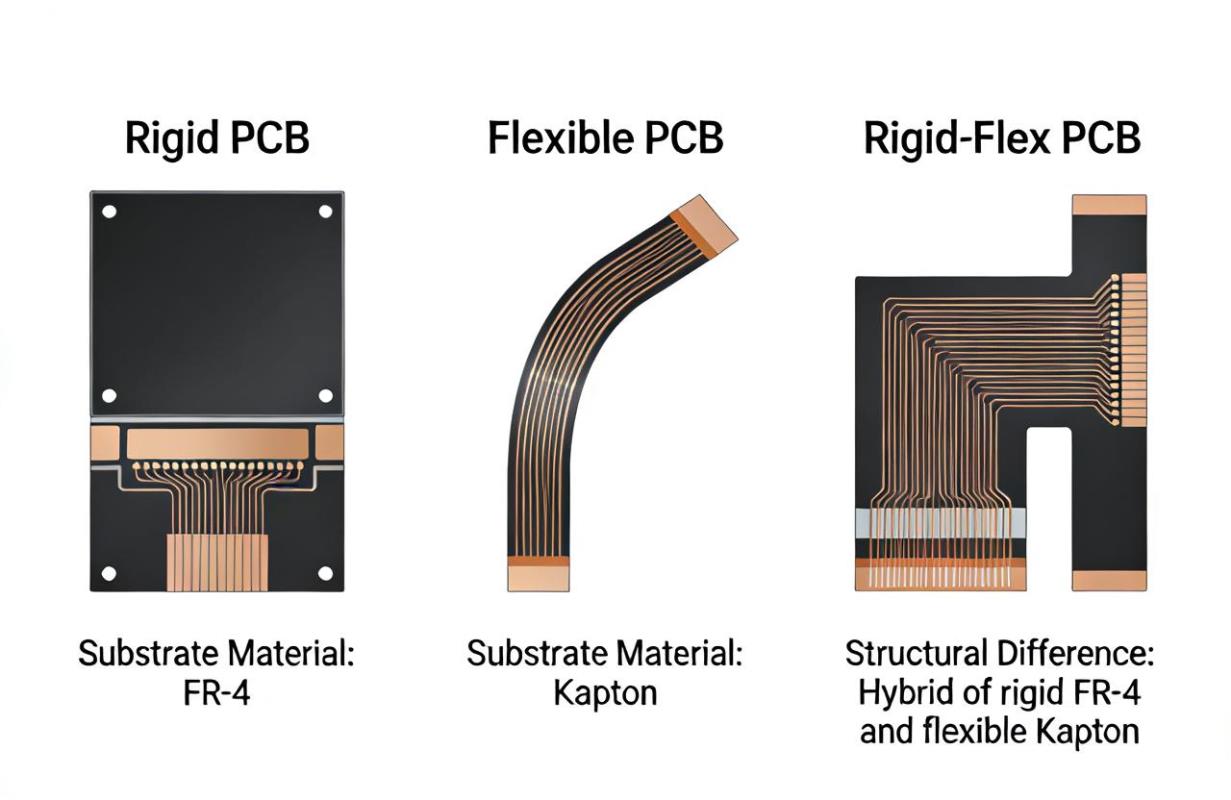
Not all PCBs are identical, and engineers must select from rigid, flexible, or rigid-flex PCBs based on application needs. Each type has unique materials, structures, and advantages, impacting a product’s reliability, form factor, and cost. Rigid PCBs are the traditional solid boards, flexible PCBs are bendable, and rigid-flex PCBs combine both, making them suitable for different scenarios.
 ________________________________________
Rigid PCBs
Construction & Materials
Rigid PCBs are built on solid substrates, typically FR-4 fiberglass epoxy, which keeps them flat and firm. They range from single-layer to multi-layer designs (up to dozens of layers), with standard thickness around 1.6mm. The FR-4 core provides structural support, enabling them to hold heavy components without flexing.
Characteristics & Pros
Rigid PCBs are cost-effective for medium to high-volume production, thanks to widely available FR-4 and standard fabrication processes. Their rigid structure offers mechanical strength to support large components, and they allow high component density with multi-layer designs. Automated assembly processes handle them easily, reducing production complexity.
Cons & Applications
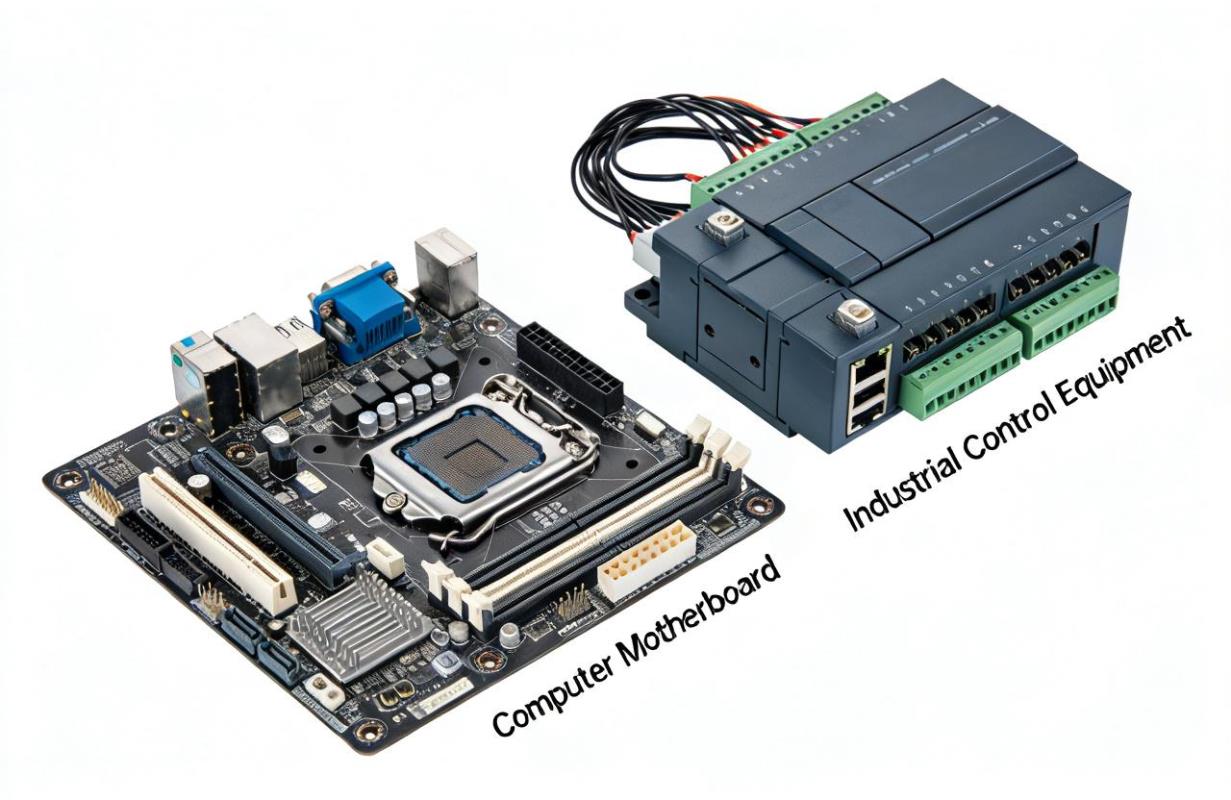
They lack flexibility, so they cannot bend or adapt to 3D shapes, and interconnections between separate rigid boards require cables or connectors, adding potential failure points. They are widely used in consumer electronics (TVs, radios), computers (motherboards, GPU boards), appliances, and industrial controllers, where static installations are needed.
 ________________________________________
Flexible PCBs
Construction & Materials
Flexible PCBs use thin, bendable polymer films like polyimide (Kapton) as substrates. Copper foil is laminated onto the film and etched into circuits, with a protective coverlay for insulation. They can be single-sided, double-sided, or multi-layer (though more layers reduce flexibility), and are ultra-thin, often with an amber color from Kapton.
Characteristics & Pros
Their key advantage is bendability, allowing them to twist, fold, and conform to 3D shapes, saving weight and space. They can replace multiple connectors and cables, reducing interconnection failure points, and handle vibration well, making them suitable for moving assemblies.
Cons & Applications
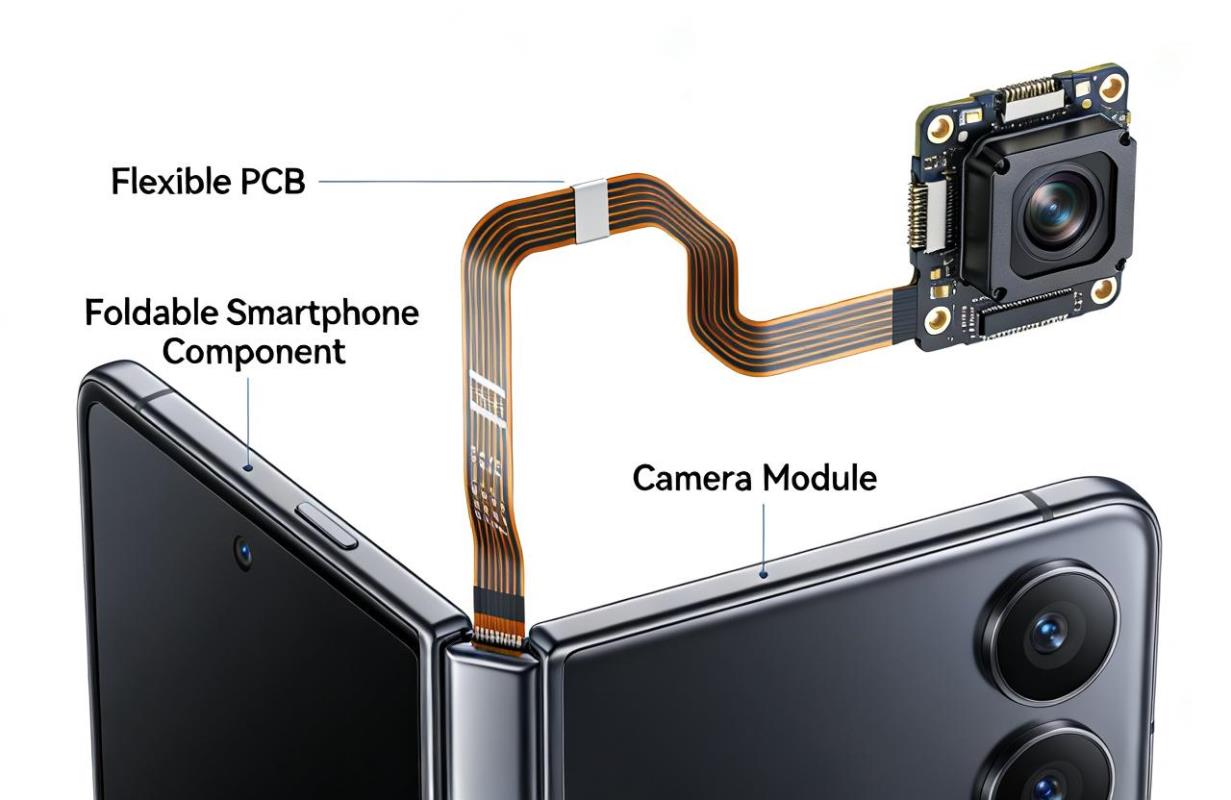
They are more expensive than rigid PCBs due to specialized materials and fabrication. Designing them requires attention to stress points (curved traces to distribute stress), and they have lower component density. They are used in foldable phones, camera modules, wearables (hearing aids, fitness trackers), automotive steering wheel controls, and industrial robot sensors.
 ________________________________________
Rigid-Flex PCBs
Construction & Materials
Rigid-flex PCBs integrate rigid FR-4 sections and flexible polyimide sections in a single board. Some layers extend through flexible areas, while others only exist in rigid sections, with transition zones designed to avoid stress fractures. Stiffeners may be added to flex areas under components for support.
Characteristics & Pros
They eliminate separate connectors and cables, reducing failure points and improving reliability, especially in high-vibration environments. They enable 3D design configurations, saving space and weight, and maintain signal integrity by avoiding connector discontinuities. Assembly is streamlined as they are a single piece.
Cons & Applications
They are the most expensive of the three types, with complex design and fabrication processes that lead to longer lead times and lower yields. Repairing them is difficult due to integrated design. They are used in aerospace (missiles, satellites), medical implants, high-end consumer electronics (foldable phones, cameras), and automotive engine control units.
________________________________________
Choosing the Right PCB Type
When selecting a PCB type, consider mechanical requirements, space constraints, and budget:
• Rigid PCBs are ideal for flat, static designs with low cost needs.
• Flexible PCBs suit designs requiring bending, weight savings, or compact form factors, if budget allows.
• Rigid-flex PCBs are best for complex designs needing integrated 3D configurations or high reliability in harsh environments, despite higher cost.
________________________________________
Conclusion
Rigid PCBs provide a dependable foundation for most electronics, flexible PCBs solve unique mechanical challenges, and rigid-flex PCBs combine both for demanding designs. Understanding these differences helps designers select the right PCB type to create innovative, reliable products.
-
02 Mar 2026 17:51:40 GMT
PCBA Functional Testing: Methods and Industry Standards
-
27 Feb 2026 12:48:42 GMT
The Complete PCBA Quality Control Checklist for Exporters