


Basic Principles of Electronic Component Selection
 14 Oct 2020 15:45:40 GMT
Sandy
14 Oct 2020 15:45:40 GMT
Sandy
Introduction
In the entire lifecycle of electronic product development, electronic component selection is a critical foundational step that directly determines the performance, reliability, cost, and market competitiveness of the final product. Electronic components are the basic building blocks of printed circuit boards (PCBs), and the rationality of their selection not only affects the functionality of the circuit but also has a profound impact on the product's service life, maintenance costs, and supply chain stability. For electronic engineers and product designers, mastering the basic principles of electronic component selection is essential to ensure the success of electronic product development projects.
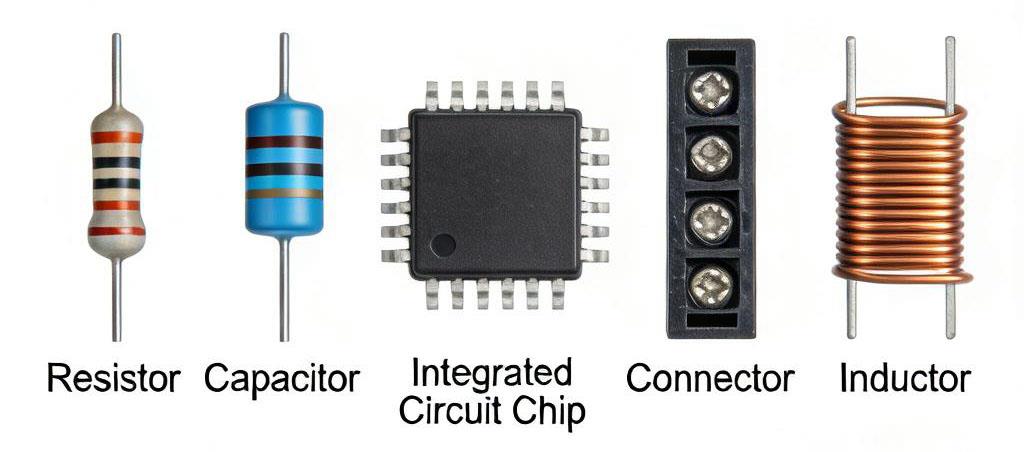
Core Principles of Electronic Component Selection
1. Performance Matching Principle
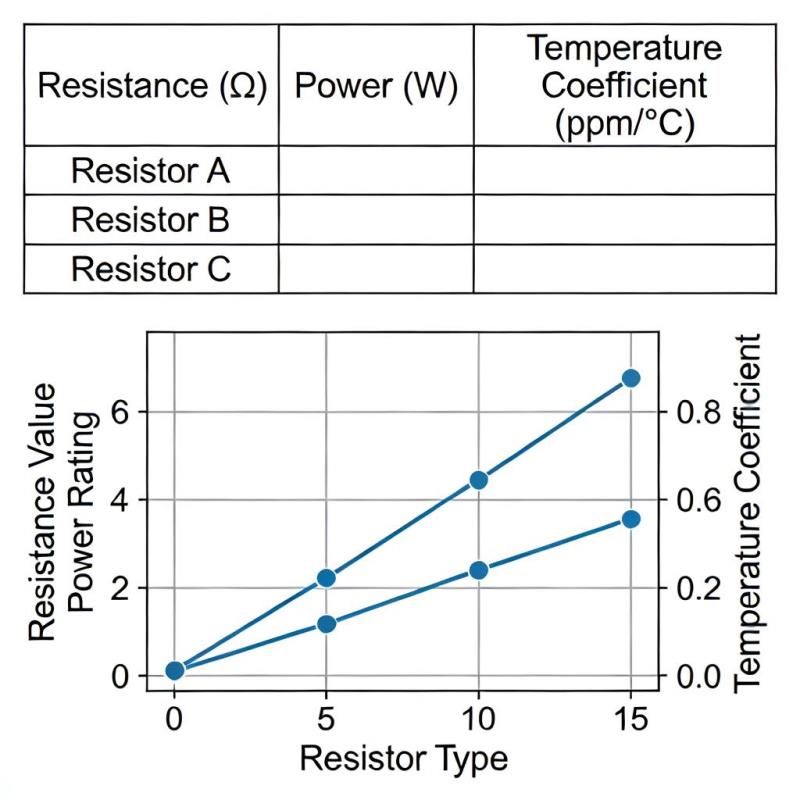
The most fundamental principle of electronic component selection is to ensure that the performance parameters of the components fully match the design requirements of the circuit. Each electronic component has specific electrical parameters, such as resistance value, power rating, capacitance value, voltage resistance, frequency response, etc., which directly determine whether the circuit can work as expected.
For example, when selecting a resistor, it is necessary to consider not only the nominal resistance value but also the power rating. If a resistor with insufficient power rating is selected, it may overheat and burn out during operation, leading to circuit failure. When selecting a capacitor, it is necessary to consider the capacitance value, working voltage, and temperature coefficient to ensure that it can meet the circuit's filtering, energy storage, or timing requirements under different working conditions.
In addition to electrical parameters, it is also necessary to consider the mechanical parameters of the components, such as size, packaging form, and pin configuration, to ensure that they can be properly installed on the PCB and match the assembly process. For example, surface-mount components are more suitable for high-density PCB designs, while through-hole components are more suitable for applications that require high mechanical strength.
2. Reliability and Environmental Adaptability Principle
Reliability is a key indicator to measure the quality of electronic components, which directly affects the stability and service life of the entire electronic product. When selecting components, it is necessary to fully consider the working environment of the product, such as working temperature range, humidity, vibration, electromagnetic interference, and other factors, and select components with corresponding environmental adaptability.
For example, electronic products used in automotive or aerospace applications need to withstand extreme temperatures, high vibration, and strong electromagnetic interference, so components with high-temperature resistance, vibration resistance, and electromagnetic compatibility (EMC) should be selected. For electronic products used in outdoor environments, components with good moisture resistance and corrosion resistance should be selected.
In addition, it is also necessary to consider the service life of the components, such as the MTBF (Mean Time Between Failures) parameter, to ensure that the components can work stably throughout the product's life cycle. At the same time, it is necessary to select components from reputable manufacturers to ensure product quality and after-sales support.
3. Cost Control and Supply Chain Stability Principle
Cost control is an important part of electronic product development, and the cost of electronic components usually accounts for a large proportion of the total product cost. When selecting components, it is necessary to balance performance and cost, select components with the best cost-performance ratio under the premise of meeting the design requirements.
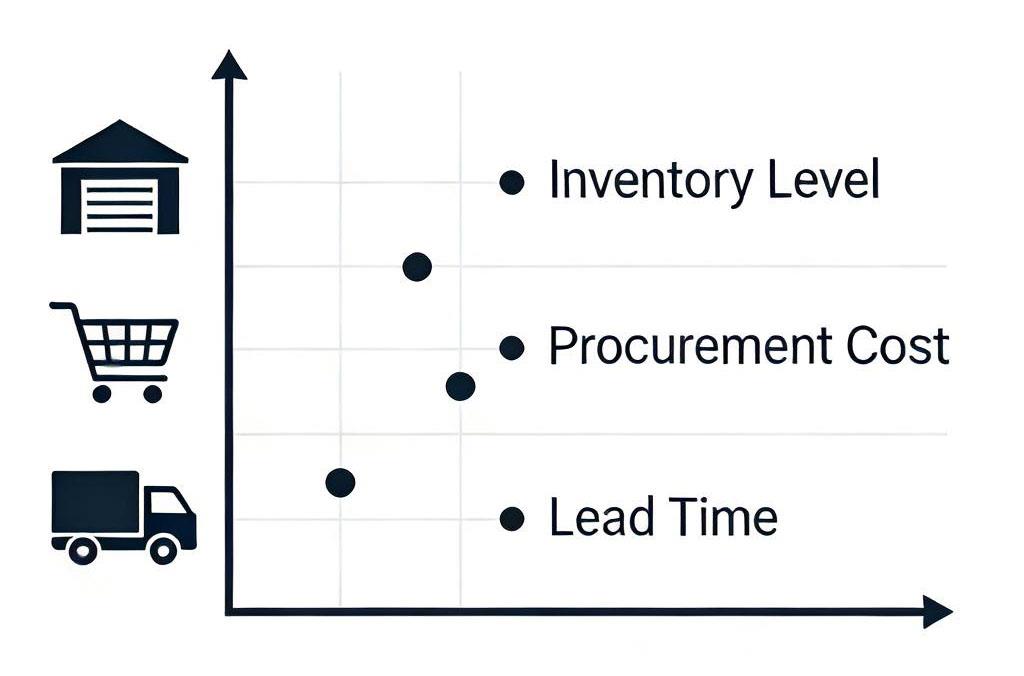
However, cost control should not be at the expense of product quality and supply chain stability. It is necessary to avoid selecting components with excessively low prices but poor quality, which may lead to increased product failure rates and after-sales costs. At the same time, it is necessary to consider the supply chain stability of the components, avoid selecting components that are in short supply, have long lead times, or are at risk of being discontinued.
To ensure supply chain stability, it is recommended to select components with multiple suppliers, and establish a component library with alternative components. In addition, it is necessary to pay attention to the market dynamics of components, such as price fluctuations, supply and demand changes, and timely adjust the component selection plan.
4. Compatibility and Maintainability Principle
When selecting electronic components, it is necessary to consider the compatibility between components, to ensure that different components can work together normally without conflicts or interference. For example, when selecting integrated circuit chips, it is necessary to consider the compatibility of their interface standards, voltage levels, communication protocols, etc., with other components.
In addition, it is also necessary to consider the maintainability of the product, select components that are easy to replace and repair. For example, select components with standard packaging forms, avoid using special or customized components that are difficult to purchase. This can reduce the maintenance cost and cycle of the product, improve the user experience.
Practical Guide for Electronic Component Selection
1. Pre-research and Requirement Analysis
Before selecting components, it is necessary to conduct in-depth research and analysis of the product's design requirements, performance indicators, working environment, cost budget, and other factors, to clarify the selection criteria and priorities of components.
2. Component Screening and Evaluation
According to the selection criteria, screen and evaluate potential components, compare their performance parameters, quality, cost, supply chain, and other aspects. It is recommended to establish a component evaluation form to record the information of each component and conduct a comprehensive evaluation.
3. Sample Testing and Verification
After selecting the preliminary components, it is necessary to conduct sample testing and verification to ensure that the components can work normally in the actual circuit and meet the design requirements. Sample testing includes electrical performance testing, environmental adaptability testing, reliability testing, etc.
4. Supplier Evaluation and Cooperation
Select reputable and reliable component suppliers, establish long-term cooperative relationships. Evaluate the supplier's production capacity, quality control system, after-sales service, etc., to ensure the stable supply and quality of components.
Conclusion
Electronic component selection is a complex and important work, which requires electronic engineers and product designers to master professional knowledge and rich experience. By following the basic principles of performance matching, reliability, cost control, and compatibility, and combining practical selection methods, we can select the most suitable components for electronic products, ensure the performance, reliability, and cost-effectiveness of the product, and enhance the market competitiveness of the product.
-
02 Mar 2026 17:51:40 GMT
PCBA Functional Testing: Methods and Industry Standards
-
27 Feb 2026 12:48:42 GMT
The Complete PCBA Quality Control Checklist for Exporters